
How to Clean a Carpet at Home, Step by Step
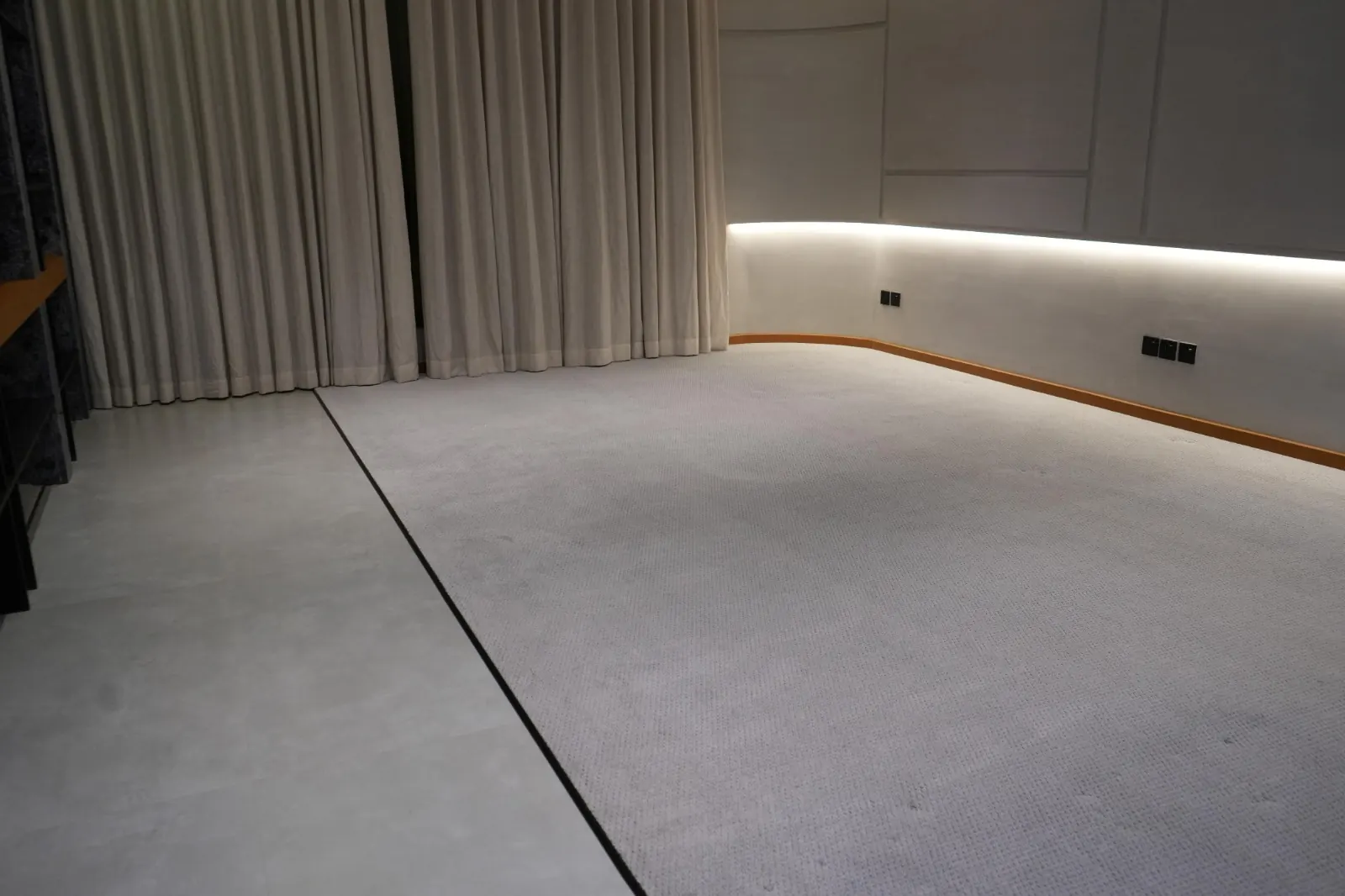
Riyadh dust rides in on the air and on shoes, and settles deep in the carpet pile. Then a coffee or oud oil spill lands, someone scrubs it with whatever is under the kitchen sink, and the stain often spreads instead of lifting.
This guide sets out how to clean a carpet at home in clear steps: a weekly vacuum routine, a deep clean, a colorfastness test, stain-by-stain treatment, drying without mold, and when to hand the job to a professional.
A weekly vacuum routine
The Carpet and Rug Institute recommends vacuuming at least once a week, and more often in hallways and busy majlis rooms. It stresses that a quick once-over does little; going slowly is what lifts the soil.
- Push the vacuum slowly forward and back, then repeat in the opposite direction so dust comes out from both sides of the pile.
- Don’t skip corners and wall edges, where dust collects.
- Change the bag or empty the bin when it is half to two-thirds full, as the Institute advises.
- On fringed rugs, use gentle suction, work from the center toward the fringe, and keep the strands away from the beater bar.
- Put mats outside and inside the door, take shoes off at the entrance, and change AC filters regularly. That cuts sandstorm dust before it reaches the carpet.
A deep clean at home, step by step
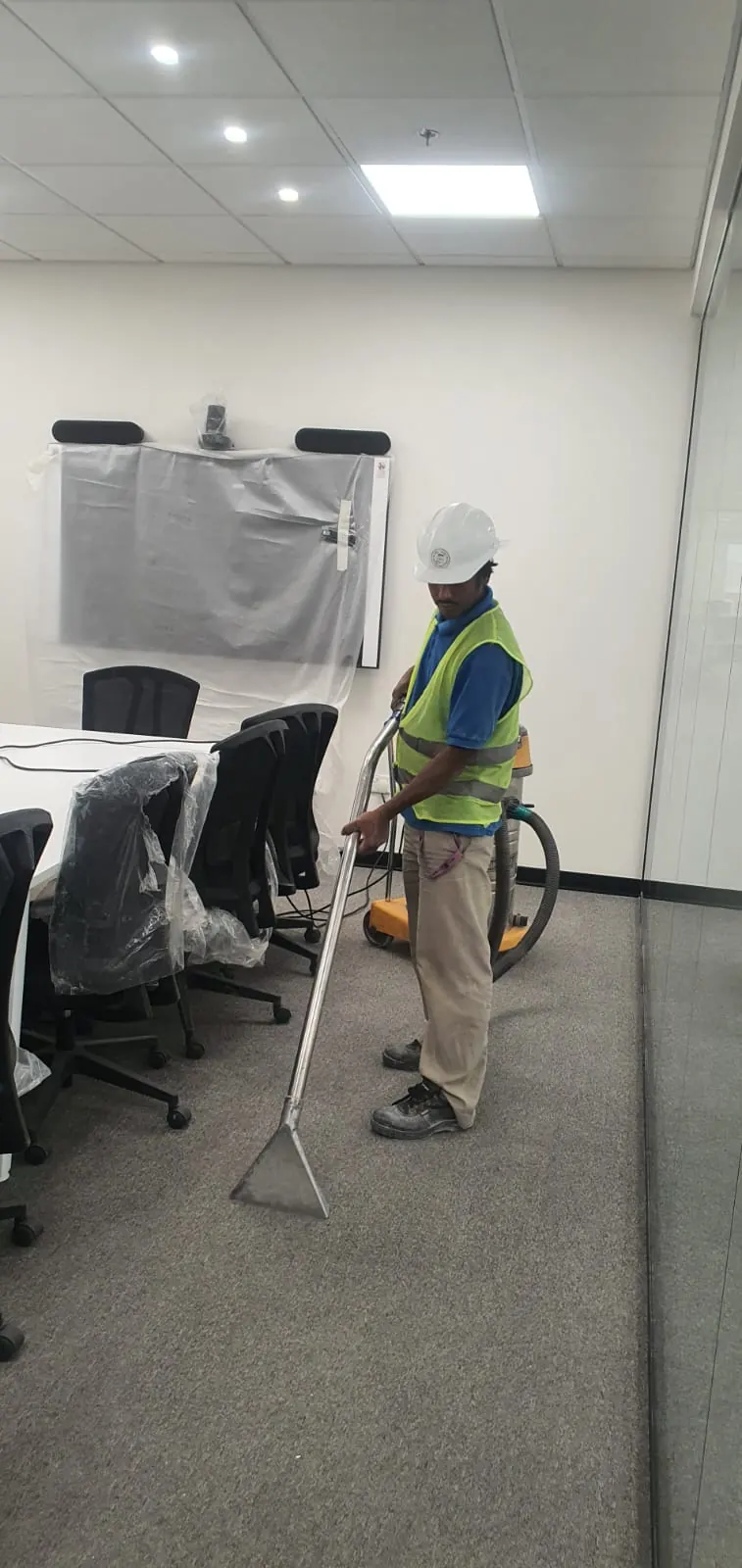
Test for colorfastness first
Before any cleaner, try it on a hidden spot, such as a corner under the sofa. These are the steps from a colorfastness testing guide:
- Apply a few drops of the solution, wait a few seconds, then blot with a white cloth.
- If color shows on the cloth, the carpet can’t take this solution. Stop here.
- If the cloth comes up clean, repeat the test and leave the solution for a few minutes before blotting, because some solutions only make dye bleed once the fibers have soaked them up.
- On a loose rug, place a white cloth soaked in the solution on the back, clamp it for two to three minutes, then check it.
According to the same source, silk, cotton and nylon are more prone to color bleeding, wool is especially vulnerable, while polyester and olefin are less prone.
The cleaning steps
- Vacuum the carpet thoroughly. For wool rugs, the Bob Vila guide suggests at least three passes on each side.
- Mix a mild solution: two cups of lukewarm water with two teaspoons of mild, non-bleach liquid detergent, as in the Institute’s spot-removal guide.
- Test the solution as described above.
- Clean one small section at a time, and don’t flood the carpet.
- Rinse with clean water to remove cleaner residue, then blot with white paper towels.
- Let it dry completely, then vacuum the pile to restore its texture.
On wool, use cold water and avoid alkaline detergents such as laundry soap, which can make its colors bleed, according to Bob Vila.
Drying without mold
Moisture trapped in thick pile is what causes mold and odor. The US Centers for Disease Control and Prevention advise drying a home out fully within 24–48 hours after any flooding, keeping indoor humidity below 50%, and note that an air conditioner or dehumidifier helps. If a carpet gets soaked and can’t be dried quickly, it is better to remove it.
- Use as little water as possible from the start; on thick pile this matters most.
- Run the AC and fans, and lift the rug’s edge so air reaches the back.
- If it’s dusty outside, rely on the AC instead of opening windows.
- Don’t walk on the carpet or put furniture back until it is completely dry. On wool, slow drying can cause discoloration, according to Bob Vila.
Treating stains: blot, don’t rub
The first rule from the Institute: blot the liquid with a white absorbent cloth or plain white paper towels, since colored or printed towels can transfer dye. Don’t rub or use a brush; rubbing pushes the stain deeper and damages the pile’s texture. Lift solids with a spoon, work from the edges of the stain toward the center, and keep blotting until nothing more transfers to the cloth. More cleaner does not mean a better result.
The Institute’s guide lists solutions in order for each stain. Start with the first and move to the next only if a mark remains:
- Detergent solution: two cups of water with two teaspoons of mild, non-bleach liquid detergent.
- Vinegar solution: one cup of white vinegar with two cups of water.
- Ammonia solution: two tablespoons of household ammonia with one cup of water.
- Dry-cleaning fluid, the nonflammable kind.
Arabic coffee and tea
Blot at once, then the detergent solution, then the vinegar solution, then lukewarm water. If a mark remains, call a professional.
Oil and food
For oil: dry-cleaning fluid, then the detergent solution. For food: the detergent solution, then the ammonia solution, then lukewarm water.
Mud and dust
Let mud dry completely, vacuum it up, then treat the mark with the detergent solution and lukewarm water.
Ink
The guide starts with amyl acetate nail polish remover, then dry-cleaning fluid, then the detergent solution. Test each one before you use it.
Candle wax
Let the wax harden, scrape it off with the edge of a spoon, then use amyl acetate remover, then dry-cleaning fluid.
Urine and pets
Don’t use a steam cleaner on urine spots; the heat sets the stain and the smell, as the Institute warns. Extract the liquid with a wet vacuum and rinse with cool water, then use the detergent solution, the ammonia solution and the vinegar solution. On wool, skip the ammonia, as it is alkaline.
Oud oil and perfume
The Institute’s guide has no entry for either. The closest match is to treat oud oil as an oil stain, and perfume as a cosmetic stain, starting with amyl acetate and then dry-cleaning fluid, testing at every step.
Wool, synthetic and silk: when not to DIY
Synthetic carpet made of polyester or olefin is the easiest to clean at home because it is less prone to bleeding. Wool can take a light surface clean with cold water; leave the deep clean to professionals. Silk is among the most prone to color bleeding, so don’t try any solution on it.
Call a professional in these cases:
- Handmade and heirloom rugs, which the Institute advises leaving to professionals.
- A stain that didn’t lift after the right solutions, or a stain you can’t identify.
- A urine smell that won’t go away.
- A carpet that got soaked through.
- Regular deep cleaning: the Institute recommends a professional clean every 12 to 18 months.
Safety while you clean
- Wear gloves when using ammonia, dry-cleaning fluid or nail polish remover.
- Ventilate during and after cleaning by opening windows and running exhaust fans, as Health Canada advises.
- Never mix bleach with ammonia, vinegar or any other cleaner; the mixture releases toxic gases that can be deadly. Details are in our guide to chemicals you should never mix.
- Keep solutions in clearly labeled containers away from children, and show your housemaid what to use and what not to.
- ⚠️ If you suspect poisoning or someone has trouble breathing, call 997 at once.
Frequently asked questions
How often should I vacuum carpet at home?
At least once a week, according to the Carpet and Rug Institute, and more in majlis rooms, hallways and on dusty days. Vacuuming slowly matters more than vacuuming often.
Should I use a steam cleaner on urine stains?
No. Heat sets the stain and the smell. Extract the liquid with a wet vacuum, rinse with cool water, then treat the mark with the right solutions.
Does vinegar work for cleaning carpet?
Yes, on some stains such as coffee and tea, diluted at one cup of vinegar to two cups of water, and after a colorfastness test. But never mix it with bleach.
How long does carpet take to dry after washing?
It depends on the pile thickness and airflow. Aim for it to be fully dry in under 48 hours, use the AC and fans, and don’t put furniture back before then.
The bottom line
A slow weekly vacuum, blotting instead of rubbing, and testing every solution before you use it protect your carpet more than any strong cleaner. If you have sofas too, read our guide to cleaning a sofa by its fabric code, or our guide to majlis, sofa and carpet cleaning in Riyadh.
If the carpet is wool, silk or handmade, or the stain won’t budge, book Rock Rush’s cleaning service.