
Removing bathroom limescale: safe steps for every surface
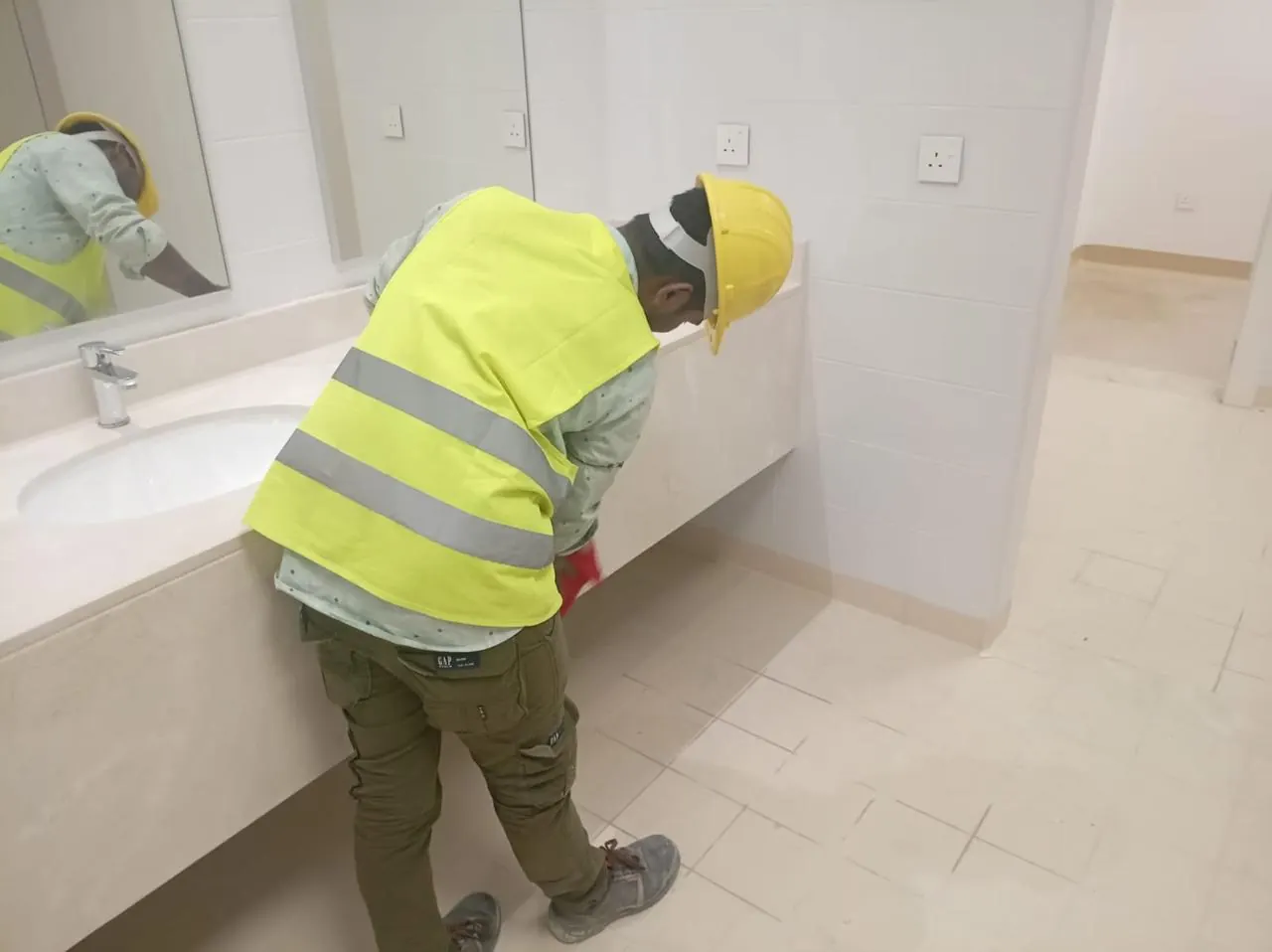
The white spots on shower glass and taps aren’t ordinary dirt. They’re mineral salts that build up with every shower. Over time they harden into a crust that soap won’t shift, which is why so many people look for a way to remove limescale from the bathroom without damaging marble or chrome.
This guide explains why limescale forms and gives practical steps for each part of the bathroom: glass, taps, showerhead, toilet and tiles with grout. It also covers what must never touch natural stone, how to stop the scale coming back, and the basic safety rules.
Why does white limescale form?
Water hardness comes from dissolved compounds of calcium and magnesium, as the U.S. Geological Survey explains. Water picks up these minerals as it moves through soil and rock.
When drops of water dry on glass or a tap, the water evaporates and the minerals stay behind. Repeat that every day and a white layer forms. The same source notes that heating hard water produces solid calcium carbonate deposits, and that hard water reacts with soap to form soap scum and leaves spots and film on glass.
That’s why scale shows up most where hot water collects and then dries: shower glass, showerhead holes, the base of the tap and the waterline in the toilet.
Before you start: know your surface
Limescale removers are usually acidic, and acid dissolves minerals. That’s what makes them work – and exactly what makes them dangerous on some surfaces.
- Suitable only for acid-resistant surfaces: porcelain, ceramic, glass and undamaged chrome. The Laticrete stone and tile care blog limits its acidic cleaner to acid-resistant surfaces such as ceramic and porcelain tile.
- Never on marble, limestone or travertine – acid etches them and leaves dull marks. MSI’s marble care guidance says to avoid vinegar, lemon juice and any acidic cleaner, and not to use commercial bathroom, grout or tub-and-tile cleaners on marble.
- If you aren’t sure what the stone is, treat it as marble and test any product on a hidden corner first.
Step-by-step removal by area
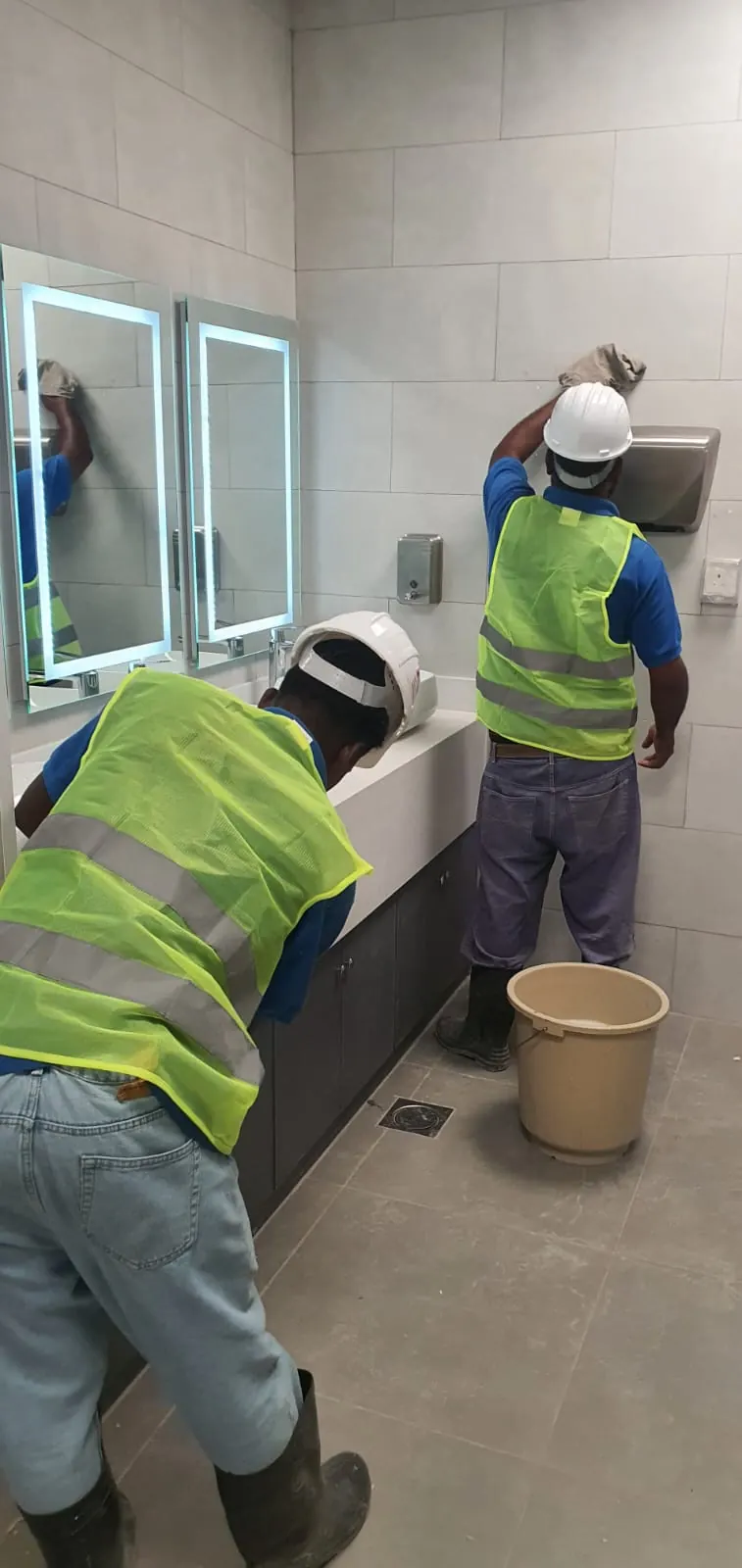
Shower glass
- Wet the glass with warm water to soften the layer.
- Spray a limescale remover suitable for glass and keep to the contact time on the label.
- Scrub with a non-scratch sponge from top to bottom.
- Rinse thoroughly, then dry with a squeegee or microfibre cloth.
If the shower threshold or floor is marble, protect it before spraying and don’t let the cleaner run onto it.
Taps and chrome
- Wipe the tap first with soap and water to remove soap residue and grease.
- Soak a cloth in limescale remover and wrap it around the affected part rather than spraying the whole tap.
- Leave it only as long as the label says – some metal coatings are weaker than real chrome.
- Scrub around the base and spout with a soft old toothbrush.
- Rinse and dry straight away with a soft cloth.
Don’t use steel wool or a rough scourer on chrome – they scratch the shine.
Showerhead
- Unscrew the showerhead if you can, or tie a bag of descaling solution around it so the holes are submerged.
- Soak for the time stated on the product label.
- Scrub the holes with a soft brush, and clear blocked ones with a thin wooden stick, not a metal needle.
- Rinse well, then run the water briefly to flush out residue before showering.
Toilet bowl ring
- Flush, then push the water towards the outlet with the toilet brush to lower the level and expose the ring.
- Apply a descaling toilet cleaner to the ring and leave it for the time on the label.
- Scrub with the toilet brush, then flush.
Toilet bowl cleaners are among the acidic products that the Washington State Department of Health lists as releasing chlorine gas when mixed with bleach. So don’t use bleach in the same bowl in the same session.
Tiles and grout
- If the tiles are ceramic or porcelain, spray a suitable cleaner, leave it for the stated time, then scrub the grout with a soft brush.
- Rinse thoroughly with clean water so no acid residue stays in the grout.
- Dry the wall with a squeegee or cloth.
Laticrete also notes that heavy-duty cleaners mean the surface needs resealing afterwards, and recommends testing any new cleaner on an inconspicuous area first.
What to use on marble instead of acid
Marble, limestone and travertine need different treatment: no descalers, no vinegar, no lemon.
- Use a pH-neutral cleaner labelled safe for marble, or a mild dish-soap solution, as MSI recommends.
- Wipe with a soft cloth or microfibre, never a rough scourer.
- Rinse with clean water and dry the surface well after washing.
- If dull marks appear after an acidic product, stop at once and consult a marble polishing specialist instead of trying something stronger.
For more on stone in new homes, read our guide to caring for marble after finishing works.
How to stop limescale coming back
- Wipe the shower glass and walls with a squeegee or dry cloth after every shower, as Laticrete advises, to reduce soap scum and mineral build-up.
- Dry taps after use – a drop that’s wiped away can’t leave its minerals behind.
- Run the extractor fan or open the window to clear the moisture.
- Clean regularly with a neutral cleaner instead of waiting for a thick layer to form.
- Don’t let toothpaste, mouthwash or perfume dry on stone – Laticrete says they contain acids that can degrade the sealer.
Safety first
⚠️ Never mix a limescale remover or any acidic cleaner with bleach (chlorine). The Washington State Department of Health says mixing bleach with an acid releases chlorine gas, and lists vinegar, toilet bowl cleaners and rust removers among acidic products.
According to the same source, even low exposure irritates the eyes, nose and throat and causes coughing and breathing problems, and very high levels can be fatal.
- Wear gloves, and open windows or run the extractor fan while you work, as the safe home cleaning guidance recommends.
- Use one product at a time, and rinse the surface well with water before any other product.
- Keep products away from children, and make sure your housemaid knows the never-mix rule.
- Wash your hands with soap and water afterwards, even if you wore gloves.
If anyone feels short of breath after inhaling fumes, get them into fresh air and call the ambulance on 997. For more detail, read why you should never mix cleaning products.
Frequently asked questions
Does vinegar remove limescale in the bathroom?
Vinegar is a mild acid and can help on glass and ceramic. But it must never be used on marble or limestone, and marble care guidance says to avoid it completely. Test it first on a hidden part of the tap, rinse well afterwards, and never mix it with bleach.
Why do white spots come back on shower glass days after cleaning?
Because the water itself carries the minerals, and every drop that dries leaves a new mark. The practical fix is to squeegee the glass after every shower.
Can I use a limescale remover on a marble floor?
No. Acidic cleaners etch marble, limestone and travertine. Use a neutral cleaner that’s safe for marble, and consult a specialist if the deposits are old or dull marks have appeared.
Should I mix limescale remover with bleach to make it stronger?
Never. Mixing bleach with an acid releases toxic chlorine gas. Use each product on its own and rinse the surface well with water in between.
Limescale keeps coming back, but knowing your surface makes it safe to deal with: acid descalers on porcelain, ceramic, glass and chrome only, a neutral cleaner on marble, and a daily wipe-down that cuts the whole job.
If your bathroom has marble or old deposits you’re not sure how to handle, see Rock Rush’s cleaning service, or book a visit.