
Water tank cleaning in Riyadh: how often, and how proper disinfection is done
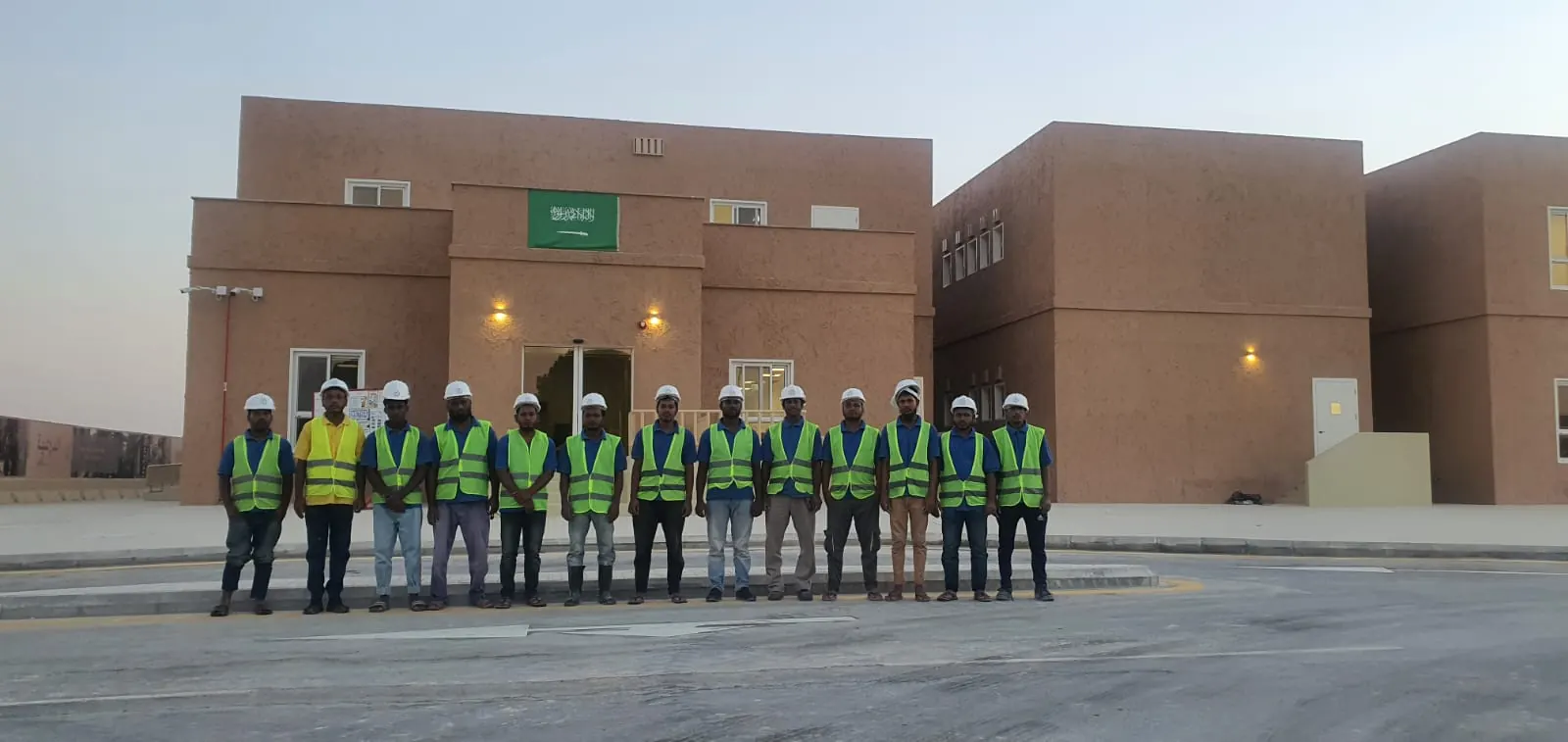
The water tank is the last stop before water reaches your kitchen and bathroom. However good the supply to your building, a neglected tank collects sediment, algae and dust, and the chlorine in the water loses its effect over time.
How often should a water tank be cleaned in Riyadh?
Municipal health requirements in Saudi Arabia call for drinking-water tanks to be cleaned and disinfected periodically, on first use and after any contamination. The most widely followed guidance for homes is at least once every six months.
In Riyadh we recommend sticking to that interval, for local reasons:
- Dust and sandstorms get in through loose covers and openings.
- Summer heat speeds up algae growth in roof tanks.
- Ground tanks can be affected by cracks and damp in the surrounding soil.
Commercial buildings and large residential blocks with heavy water use need closer follow-up.
Signs your tank needs cleaning now
- Discoloured or cloudy water from the tap.
- An unusual smell or taste.
- Grit or particles in sinks and filters.
- More than six months since the last clean.
- A broken or loose tank cover, or insects around it.
Ground tank vs roof tank
Ground tanks are usually larger. A technician has to enter with safety equipment and ventilation, and the walls, cracks and waterproofing need checking. Roof tanks are smaller but sit in direct sun and heat, so algae grows faster. That is why time and price differ between the two.
The right cleaning and disinfection steps
What you should expect from any professional crew:
- Switch off the pump and isolate the tank.
- Drain it completely.
- Remove sediment and mud from the bottom.
- Scrub the walls, ceiling and floor.
- Disinfect with chlorine solution at the right strength and leave it for the full contact time.
- Rinse thoroughly until the strong chlorine smell is gone.
- Check cracks, waterproofing and hatch covers.
- Refill and test the chlorine level in the water.
Is chlorine safe?
Chlorine at the right strength is the standard way to disinfect drinking-water tanks. Too much makes the water taste bad and harms the tank, so the technician must set the strength and rinse properly before refilling. Avoid unapproved methods such as mixing chemicals yourself.
Cracks, waterproofing and covers
Cleaning alone isn't enough if cracks let in damp or insects, or the cover doesn't close tightly. Ask the crew for a report on the tank's condition after cleaning. Crack repair and waterproofing are separate work agreed after the inspection.
What sets the price of tank cleaning
- Tank type: ground or roof; concrete, plastic or fibreglass.
- Capacity.
- How much sediment, and when it was last cleaned.
- Access, and how many tanks the building has.
The starting price is on the prices page; the final price is confirmed once we know the tank type and capacity.
Frequently asked questions
How long does tank cleaning take?
A household roof tank usually takes two to three hours. A ground tank takes longer depending on capacity and sediment.
When can I use the water after disinfection?
After rinsing, refilling and testing the chlorine level. The technician tells you when the water is ready to use.
Do I need to cut the water to the house?
Yes, only while the work is under way. We agree a convenient time, and it helps to fill a few containers beforehand.
Do I get proof of the cleaning?
Yes. You receive proof of the cleaning and its date, so you know when the next one is due.
The short version
A clean tank means cleaner water for your family, and every six months is the safe rule in Riyadh. Book tank cleaning and disinfection, or read the service details. Planning a full home clean as well? See the deep cleaning guide.